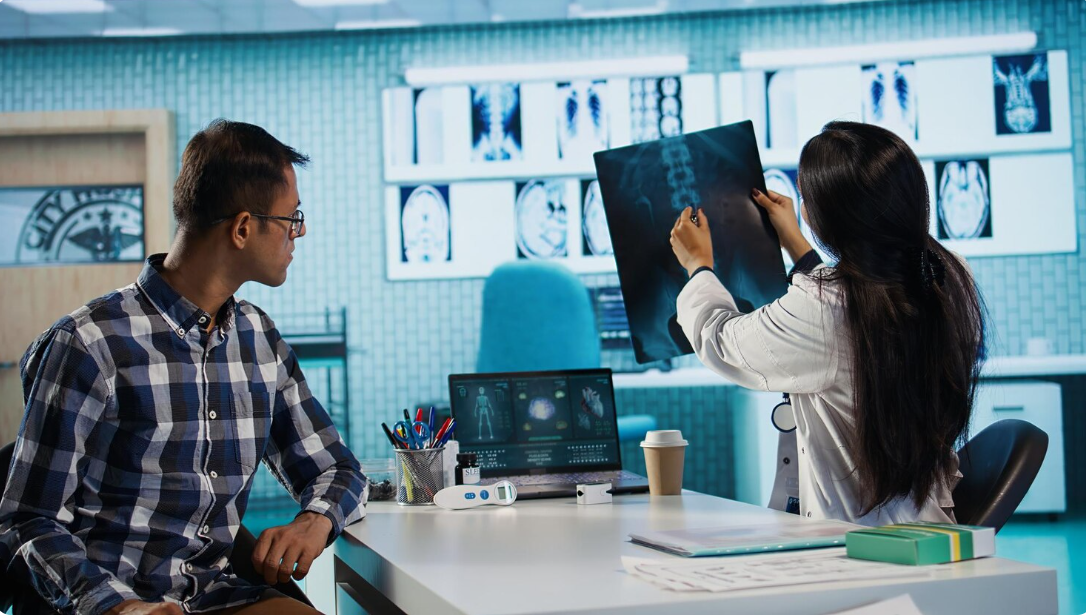
Digital X-ray has become an important part of modern diagnostic care. Hospitals, diagnostic centres, and clinics need imaging equipment that can produce dependable images while keeping daily examinations efficient. Choosing an Agfa DR system involves more than looking at image quality. Factors such as room size, patient volume, workflow, positioning, detector options, and future upgrade needs also matter.
Why Digital Radiography Matters
A modern Agfa DR system can help radiographers capture images quickly and send them for review with fewer manual steps. Digital workflows can also reduce the need for repeat examinations when image acquisition and processing are well controlled.
Image processing is another important consideration. Advanced processing can help balance contrast, brightness, and detail across different examinations. Dose management is also an important part of responsible radiography, although actual dose depends on the examination, patient, equipment, and technique.
Matching the System to the Facility
The Agfa DR 600 is designed for general radiography environments where productivity, positioning, and flexibility are important. Its automated movement and positioning capabilities can support a more streamlined examination process. The system is intended for general radiographic studies covering areas such as the skeleton, chest, abdomen, and other body parts.
When Mobility Becomes a Priority
Not every examination happens in a standard X-ray room. Intensive care units, emergency departments, operating areas, and other clinical spaces may require bedside imaging. A mobile x ray machine can help bring radiography directly to the patient, reducing the need to move patients who may be critically ill or physically restricted.
What to Check Before Installation
Before installation, teams should review room dimensions, electrical requirements, patient positioning needs, detector choices, software connectivity, and service arrangements. It is useful to involve radiographers in evaluation because they understand workflow challenges. A demonstration can reveal whether controls, movement, image review, and steps feel natural.
Comparing Workflow Needs
When comparing an Agfa DR system, an Agfa DR 600, or an Agfa DR 400i, healthcare teams should consider their expected patient volume and examination mix. A fixed room may be preferable for high-volume routine imaging, while a mobile x ray machine can add flexibility for bedside care.
The right Agfa DR system should also fit the existing digital environment. Connectivity with hospital information systems, image archives, and reporting workflows can reduce unnecessary data entry and help images reach the right destination efficiently.
Building a Future-Ready Imaging Department
Technology should support both present needs and future growth. An Agfa DR 600 can suit facilities looking for automation and high-throughput general radiography, while an Agfa DR 400i can be useful where space and installation requirements are key considerations. A mobile x ray machine can complement fixed rooms by extending imaging access beyond the radiology department.
Conclusion
For healthcare providers, selecting imaging equipment should be based on clinical requirements, workflow, space, patient needs, and long-term operational goals. An experienced medical imaging technology provider should combine dependable image quality, practical workflow tools, dose-conscious imaging, flexible configurations, and support that helps facilities maintain performance over time. These qualities can help healthcare teams deliver faster, more consistent diagnostic services while keeping the patient experience at the centre of everyday imaging.