Getting medical help at the right time is very important, especially when you are sick or injured but not in a life-threatening condition. In such situations, urgent care services play a key role in providing quick and efficient treatment. They help patients avoid long waiting times at hospitals and get proper medical attention without delay. These services are designed for conditions that need prompt care but are not severe enough for emergency rooms.
What Are Urgent Care Services?
Urgent care services are medical facilities that treat health problems that require fast attention but are not serious emergencies. They act as a middle option between a regular doctor’s clinic and a hospital emergency room. People usually visit urgent care for issues like minor injuries, infections, fever, sprains, or small cuts that may need stitches.
One of the main benefits of urgent care services is that they are usually open beyond normal clinic hours, including evenings and weekends. This makes them very helpful when your regular doctor is not available.
Faster Access to Medical Attention
One of the biggest advantages of urgent care services is speed. In many hospitals, emergency rooms are often crowded and prioritize critical cases first. This can lead to long waiting times for patients with less serious conditions.
Urgent care centers are designed to reduce this delay. When you visit, you are usually seen much faster by a healthcare professional. This quick access helps patients start treatment early, which can prevent the condition from getting worse.
Treatment for Common Non-Emergency Conditions
Urgent care services handle a wide range of everyday medical problems. These include cold and flu symptoms, minor burns, ear infections, mild asthma issues, and small fractures. They also provide basic diagnostic services like X-rays and lab tests in many cases.
Because these centers are equipped for common conditions, patients do not need to wait for days to see a general physician. Instead, they can get treatment immediately and return to normal activities sooner.
Reducing Pressure on Emergency Rooms
Emergency rooms are meant for serious and life-threatening situations such as heart attacks, severe injuries, or major accidents. However, many people still visit ERs for minor health issues. This increases pressure on hospitals and slows down care for critical patients.
Urgent care services help solve this problem by treating non-life-threatening cases separately. This allows emergency rooms to focus on patients who truly need urgent, life-saving treatment. At the same time, it improves the overall efficiency of the healthcare system.
Convenient and Cost-Effective Care
Another important benefit of urgent care services is convenience. Many centers do not require appointments, so patients can walk in whenever needed. This is very helpful for people with busy schedules or sudden health concerns.
In addition, urgent care is often more affordable than visiting an emergency room. For non-serious conditions, this makes it a practical choice for individuals and families who want quality care without high medical bills.
Professional Medical Support When You Need It
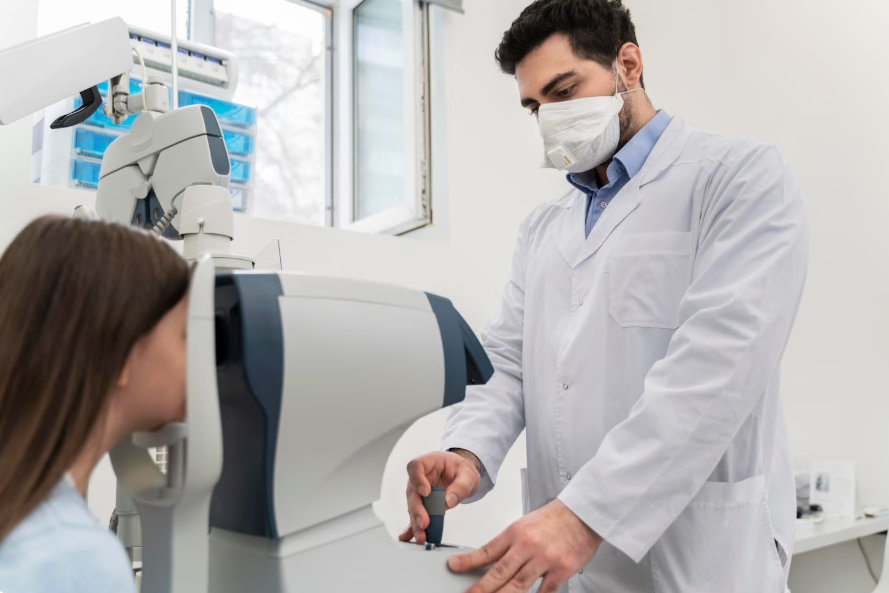
Urgent care centers are staffed with trained doctors, nurses, and medical professionals who are experienced in handling a variety of conditions. They can diagnose problems quickly and provide appropriate treatment or prescriptions.
If a condition is more serious than expected, they can also refer patients to a hospital or specialist. This ensures that patients always receive the right level of care at the right time.
Conclusion
Urgent care services play an important role in modern healthcare by offering fast, reliable, and affordable treatment for non-life-threatening conditions. They reduce waiting times, ease pressure on hospitals, and provide convenient access to medical professionals. By choosing urgent care services when appropriate, patients can receive timely treatment and recover more quickly while ensuring emergency rooms remain available for critical cases.