

The emergencies may occur at any place at home, workplace, school, and at the place of origin. At such a time, it matters what you know to do as it might save someone’s life. Here, CPR classes come in handy. Cardiopulmonary resuscitation (CPR) is a simple life-saving action that assists in maintaining the circulation of blood and oxygen into the body when the heart or breathing of a person ceases.
It is a mistake that many people believe that CPR is the prerogative of healthcare workers, whereas anyone can be trained in CPR. This guide will focus on what CPR classes are all about, what you will learn, who needs to take them, and why such skills will be useful in your daily life.
What Are CPR Classes
CPR classes are educational programs aimed at training individuals on how to react in emergency situations involving cardiac or breathing emergencies. These classes include easy methods that can be used to maintain life until professional assistance is provided. The training is normally facilitated by qualified trainers and involves theory and practical skills.
Types of Classes
In-Person: Traditional classroom setting with hands-on practice with instructors.
Online: Self-paced learning for theory, but often requires a separate skills session for certification.
Blended Learning: Combines online learning with a shorter, in-person skills practice session.
Why CPR Classes Are Important
Learning CPR can save lives. Brain damage can commence within minutes, with the heart of the human being stopping. CPR can increase the survivability of the individual. The classes on CPR also contribute to eliminating panic in case of an emergency.
When you know the actions to take, then you have a higher chance of acting swiftly and correctly. In addition to the emergencies, such classes create the spirit of responsibility and preparedness, which makes the communities safer and more prepared.
What You Learn in CPR Classes
CPR courses provide simple skills that can be easily remembered, like:
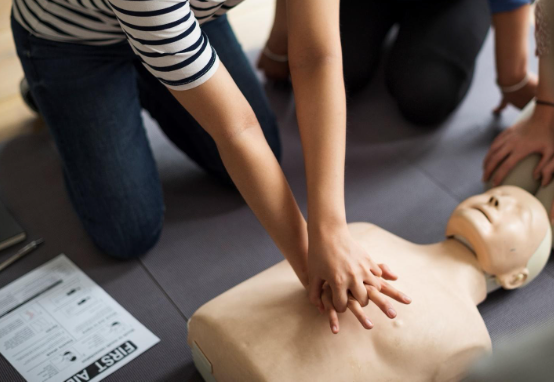
Hands-On Practice: Proper hand placement, depth, and rate for chest compressions on mannequins.
Rescue Breaths: Head-tilt/chin-lift to open the airway and deliver breaths that make the chest rise.
AED Use: How to use an Automated External Defibrillator, including pad placement and following prompts.
Choking Response: Steps to help adults, children, and infants
Working with mannequins is common in classes. This practical exercise contributes to developing confidence such that you are now prepared to act in actual emergencies.
Who Can Take CPR Classes
CPR classes are suitable for practically everyone. One does not require medical training or special ability to enroll. These courses are particularly beneficial for:
- Parents and caregivers
- Teachers and school staff
- Office workers and managers
- Fitness trainers and coaches
- Childcare and babysitters
CPR knowledge can allow you to save loved ones, colleagues, or even strangers in an emergency.
How Long Do CPR Classes Take
The courses of CPR are short and flexible. Most of the sessions take between two and four hours, depending on the training level. Certain courses can be accomplished in one day, but other courses can provide mixed education, including online studies and face-to-face training.