
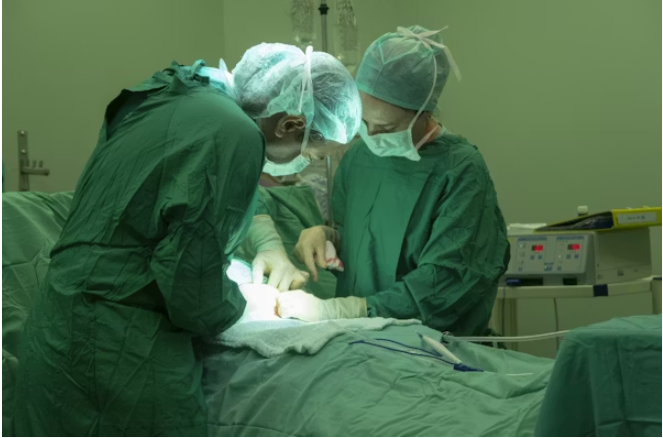

Choosing a colon surgery specialist is one of the most important medical decisions you can make. The right surgeon can directly influence the quality of your treatment, your recovery, and your long-term health outcome.
Whether the surgery is for colon cancer, diverticulitis, inflammatory bowel disease, or another bowel condition, selecting the right expert requires careful consideration.
Look for a Board-Certified Specialist
The first and most important point is to choose a board-certified colorectal surgeon.
A specialist in colon and rectal surgery has completed advanced surgical training beyond general surgery and has passed rigorous professional examinations. This ensures they have dedicated expertise in diseases of the colon, rectum, and lower digestive tract. Certification by a recognised surgical board is a strong sign of professional competence and ongoing education.
Consider a Second Opinion
For major surgery, getting a second opinion is often a wise step.
Another specialist may confirm the diagnosis and treatment plan or offer alternative approaches. This can provide reassurance and help you make a more confident decision.
Choosing the right colon surgery specialist should be based on qualifications, experience, communication, and hospital standards. Taking time to choose carefully can make a significant difference to both the success of the surgery and your peace of mind.
Check Their Specific Experience
Experience matters greatly in surgery.
Ask how often the specialist performs the exact procedure you need. A surgeon who regularly carries out colon resections, minimally invasive bowel surgery, or colorectal cancer procedures is often better equipped to handle both routine cases and complications.
It is completely appropriate to ask:
- How many similar surgeries have you performed?
- What is your complication rate?
- How often do patients need repeat surgery?
The more experience they have with your condition, the better.
Consider the Hospital or Surgical Centre
The quality of the hospital is just as important as the surgeon.
Choose a specialist who operates in a reputable hospital known for gastrointestinal or colorectal surgery. Hospitals with strong surgical departments, advanced imaging, intensive care facilities, and dedicated post-operative care teams can significantly improve outcomes.
High-volume surgical centres often provide better results because the teams are more experienced with complex bowel procedures.
Ask About Surgical Techniques
Modern surgical methods can make a major difference in recovery.
Ask whether the surgeon offers laparoscopic or robotic-assisted surgery where appropriate. Minimally invasive techniques often lead to smaller incisions, less pain, reduced infection risk, and faster recovery compared with traditional open surgery.
A good specialist should clearly explain why one approach is better for your specific condition.
Evaluate Communication
A strong surgeon should also be a strong communicator.
They should explain the diagnosis, procedure, risks, benefits, and recovery process in a way that is clear and easy to understand. You should feel comfortable asking questions and discussing concerns.
If a specialist seems rushed or unwilling to explain details, it may be worth seeking another opinion.
Ask About Recovery and Aftercare
Surgery does not end in the operating room.
Ask what support is available after the procedure, including pain management, dietary advice, follow-up appointments, and long-term monitoring. Good aftercare is essential for bowel surgeries, especially where recovery and digestive function need close observation.