Maintaining a healthy smile is a journey that evolves as you move through different stages of life. From the first primary tooth in infancy to the specialized needs of senior years, dental care services play a vital role in ensuring systemic health and self-confidence.
Oral health is deeply connected to overall well-being, as researchers have linked gum disease to various chronic conditions. By prioritizing professional dental intervention at every milestone, you can prevent complications and enjoy a functional, beautiful smile for a lifetime.
1. Establishing Early Habits in Childhood
The foundation for a healthy mouth begins during the toddler years. Pediatric dental visits focus on monitoring the development of the jaw and ensuring that primary teeth remain free from decay.
These early appointments are also educational, teaching children the proper way to brush and the importance of a low-sugar diet.
Establishing a positive relationship with the dentist early on helps alleviate future dental anxiety and sets the stage for a lifetime of proactive oral care habits.
2. Straightening Developing Smiles with Invisalign for Children
As children transition into their pre-teen years, alignment issues often become more apparent. Many parents are now exploring modern orthodontic solutions like invisalign for children to correct crowding or spacing issues early.
Unlike traditional metal braces, these clear aligners are removable and offer a more comfortable experience for active kids.
Addressing orthodontic concerns during the growing phase can often simplify treatment and prevent more complex structural problems during adulthood, ensuring the child grows up with a straight and confident smile.
3. Preventive Care and Maintenance for Young Adults
During the young adult years, the focus shifts toward preventing the onset of gum disease and managing wisdom teeth. Routine cleanings and professional examinations are essential to remove tartar that cannot be reached by regular brushing alone.
This stage is also critical for addressing lifestyle impacts, such as the consumption of acidic beverages or the effects of stress-related teeth grinding.
Staying consistent with biannual checkups ensures that minor issues are caught before they require expensive restorative procedures.
4. Restoring Function and Confidence with Dental Implants
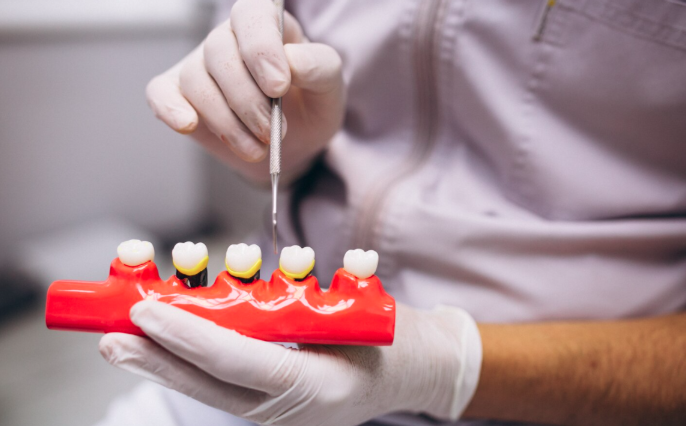
As we reach middle age, wear and tear or past injuries may result in the loss of a permanent tooth. Fortunately, modern restorative dentistry offers dental implants as a permanent and highly aesthetic solution for tooth replacement.
These implants serve as artificial roots that fuse with the bone, providing a stable foundation for custom-made crowns.
By opting for this advanced procedure, individuals can maintain their facial structure, prevent surrounding teeth from shifting, and regain the ability to eat and speak with complete ease.
5. Specialized Care for the Senior Years
Aging brings unique dental challenges, such as increased tooth sensitivity, dry mouth caused by medications, and a higher risk of root decay. Senior dental care focuses on preserving natural teeth for as long as possible and ensuring that any prosthetic devices, like bridges or dentures, fit comfortably.
Regular screenings for oral cancer also become increasingly important during this stage. Tailored dental services for seniors help maintain nutritional intake and contribute to a higher quality of life.
6. The Psychological Impact of a Healthy Smile
Beyond the physical advantages, consistent dental care provides significant psychological benefits. A healthy, well-maintained smile is a powerful social asset that boosts self-esteem and influences how we are perceived by others.
Knowing that your teeth are clean and your breath is fresh allows you to interact with confidence in both social and professional settings.
Ultimately, investing in dental services throughout your life is an investment in your happiness and your ability to express yourself without hesitation.