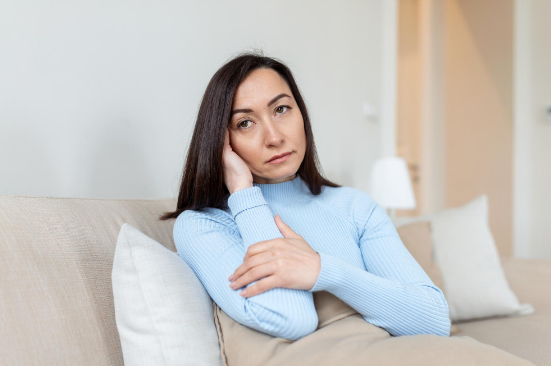
Menopause is, sort of, a normal part of the aging process for many women. It shows up when a woman has not had a menstrual period for 12 consecutive months. That basically signals the end of her reproductive years, you know, the phase where fertility is possible. In the United States, menopause may happen anywhere between the ages of 40 and 58, and the average age is about 51 years old.
If you’re going through this stage right now, or if someone you care about is getting closer to it, then learning about menopause can make things feel a bit more manageable. In this guide, you will find out about menopause, what it is, why it happens, and what you can do about it.
What Is Menopause?
Menopause is a biological process that happens when the ovaries slowly produce smaller amounts of hormones, mainly estrogen and progesterone. When those hormone levels drop, menstrual periods often become irregular, and eventually they stop for good.
And to be clear, menopause is not a disease or a medical condition. It’s a natural shift that every woman faces over time. Still, the physical and emotional changes tied to menopause can seriously affect day-to-day life and overall sense of wellness.
Signs and Symptoms of Menopause
Every woman experiences menopause differently. Some women have mild symptoms, while others may experience more noticeable changes.
Common signs of menopause include:
- Irregular periods
- Hot flashes
- Night sweats
- Mood changes
- Trouble sleeping
- Vaginal dryness
- Reduced energy levels
- Difficulty concentrating
- Weight gain
- Decreased bone density
These symptoms may begin several years before menopause and can continue for some time afterward.
Managing Menopause Symptoms
Even though menopause is a pretty normal stage of life, there are some ways to handle its symptoms and make things feel a bit more comfortable, day to day. A healthy lifestyle can actually help a lot, even if it’s not some magic fix. Regular exercise helps you keep a healthier weight, supports bone strength, and can improve your mood, too. And then, eating a balanced diet rich in fruits, vegetables, whole grains, and calcium can also give your body the support it needs during this time.
Also, getting enough sleep, keeping stress in check, and staying hydrated can help with symptoms like fatigue and those sudden hot flashes. Some women may find it helpful to talk with a healthcare provider about treatment options, such as hormone therapy or other medications, when that makes sense for them as an individual.
Health Risks Associated with Menopause
Menopause can raise the risk of certain health issues because estrogen levels drop. Women might become more likely to develop osteoporosis, which is basically a bone-weakening condition that makes fractures more likely. The chance of heart disease may also climb after menopause, because estrogen is used to help protect cardiovascular health.
By keeping up with regular checkups, eating well, staying physically active, and making healthier daily choices, many of these risks can be reduced. Talking to a healthcare professional can also help women map out a long-term health plan during and after menopause.
Conclusion
Menopause is a normal part of aging, and it signals the closing of a woman’s reproductive years. It can bring physical and emotional changes, but understanding what’s happening can help women prepare for and handle the transition with more confidence. When symptoms are recognized early and healthy habits are put in place, women can keep living an active, satisfying life throughout menopause, and beyond.